Featured
Table of Contents
- – Moving Beyond High-Achievement and Inner Strug...
- – Concrete Tools for Beginning Your Transformati...
- – Understanding the Impact of Family Patterns o...
- – The Managers That Push Success
- – Understanding the Effect of Intergenerationa...
- – Somatic Experiencing for PTSD in High-Achievers
- – Understanding the Role of Ancestral Wounds o...
While every person experiences sorrow in a different way, recognizing the numerous stages of pain can assist you expect and recognize several of the responses you may experience throughout the grieving procedure. It can likewise help you know your requirements when regreting and find means to fulfill them. Recognizing the mourning process can eventually assist you work towards approval and recovery.
You might identify sensations that a phase defines, and this will help you know which stage you are in. Stages can additionally come and go, and and earlier stage can return later on.
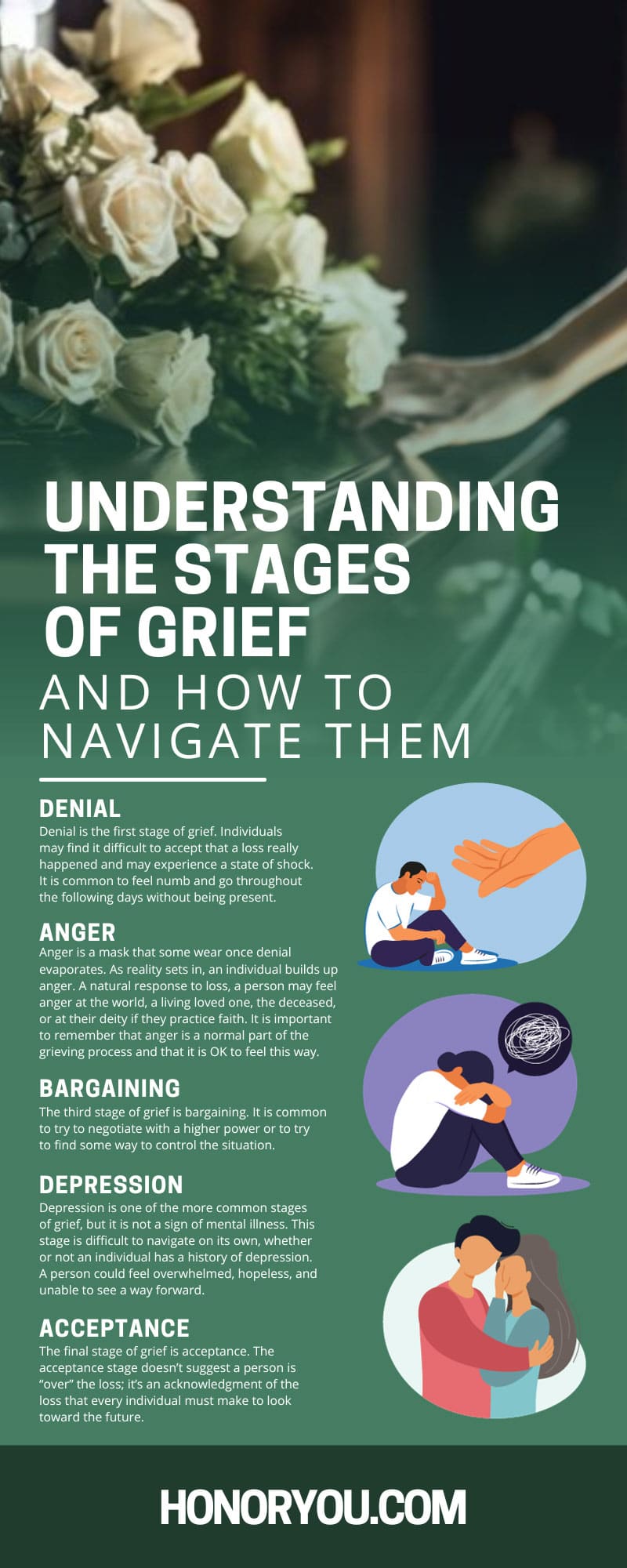
Grief is an universal human experience that touches everyone at some factor in life. Whether it's the loss of a loved one, completion of a partnership, a job trouble, or one more considerable adjustment, grief is the all-natural emotional response to loss. According to the American Psychological Association, around 10-20% of people experience complex griefa persistent kind of intense griefafter losing someone close to them.
It stands for the intensity of your love and the depth of your loss. The bargaining phase usually includes a collection of "what happens if" and "so" ideas as you psychologically negotiate for a various outcome: "If only I had taken them to the doctor quicker ..." "What if I had been a better partner/friend/child?" "I guarantee to be a better individual if this pain vanishes"A 2020 review in the Journal of Therapy Psychology located that negotiating ideas occurred in approximately 57% of bereaved individuals, with higher prices amongst those handling sudden or unexpected losses.
Moving Beyond High-Achievement and Inner Struggles
Approval does not mean you're "over it" or that the discomfort has disappeared. Rather, it implies you're discovering to deal with the loss as part of your story: Adjusting to a new fact Finding brand-new routines and patterns Experiencing minutes of pleasure without regret Being able to mention the loss much more conveniently Producing meaning from your experienceA longitudinal study released in JAMA Psychiatry discovered that the majority of bereaved people got to some degree of acceptance within 6-24 months, though this timeline differs significantly depending on variables like partnership to the departed and situations of death.
Everyone experiences grief in different ways. Your experience of sorrow and just how you cope with it will depend on different aspects. These may include your age, previous experiences with despair and your spiritual or religious sights.
Concrete Tools for Beginning Your Transformation with EMDR in Sacramento
Awaiting despair means feeling sad prior to the loss occurs. Instead than grieving for the person, that is still with you, you may really feel pain for the things you won't obtain to do together in the future. When encountering a significant loss, such as the death of a loved one, it is all-natural to feel numerous strong emotions.
This does not mean you have given up on the person or that you uncommitted for them. People detected with a terminal illness and those facing the death of a liked one may experience awaiting pain. If you have actually been diagnosed with a terminal disease, you may experience many emotions including shock, concern and despair.
You regret shed chances or experiences you'll miss out on also little ones, such as the pleasure of the sunshine or a warm cup of coffee. If someone you enjoy is encountering a terminal illness, it is usual to experience anticipatory sorrow in the months, weeks and days prior to fatality. You might grieve the exact same things your loved one is grieving, or different losses completely.
Understanding the Impact of Family Patterns on Success Patterns
You may feel anticipatory despair If your liked one is confused or unconscious for a very long time (e.g. with ecstasy or dementia). You may feel that the person you knew is already gone, also if they are still literally there. If your liked one has a decrease in physical wellness or wheelchair, you might really feel awaiting grief as you shed the possibility to share experiences, such as hobbies, holidays or occasions.
This is specifically real if you spend a great deal of time caring for the individual. You might miss tasks you made use of to take pleasure in together and really feel pain regarding the adjustment in your partnership. The nature of your relationship might alter as you handle a carer's duty, or become the one being looked after.
The Managers That Push Success
Sensations of despair prior to fatality are regular it's important to acknowledge them, and to chat regarding them. Experiencing anticipatory sorrow doesn't necessarily indicate that you will certainly regret your enjoyed one any kind of much less after they are gone.
Understanding the Effect of Intergenerational Trauma on Achievement
In fact, we do not experience feelings of pain one at a time or in a particular order. You may experience these points due to the fact that they are all normal sensations of sorrow.
It's regular to feel other things as well, such as shock, anxiety, exhaustion, or shame. Some individuals really feel numb after the fatality of a person they respected. They might even attempt to continue as though nothing has actually taken place. If you experience this, it might be since it's simply too unsubstantiated that the person you recognize so well is not returning.
Somatic Experiencing for PTSD in High-Achievers
Perhaps they promise themselves that they will now constantly do (or otherwise do) something, believing that it might make the individual who has actually passed away come back. Or possibly they think it will stop any person else dying or various other bad points happening. This is in some cases called 'magical thinking'. People may also locate that they maintain returning over the past and ask great deals of 'what happens if' questions, desiring that they might go back and change things so that they can have turned out in a different way.
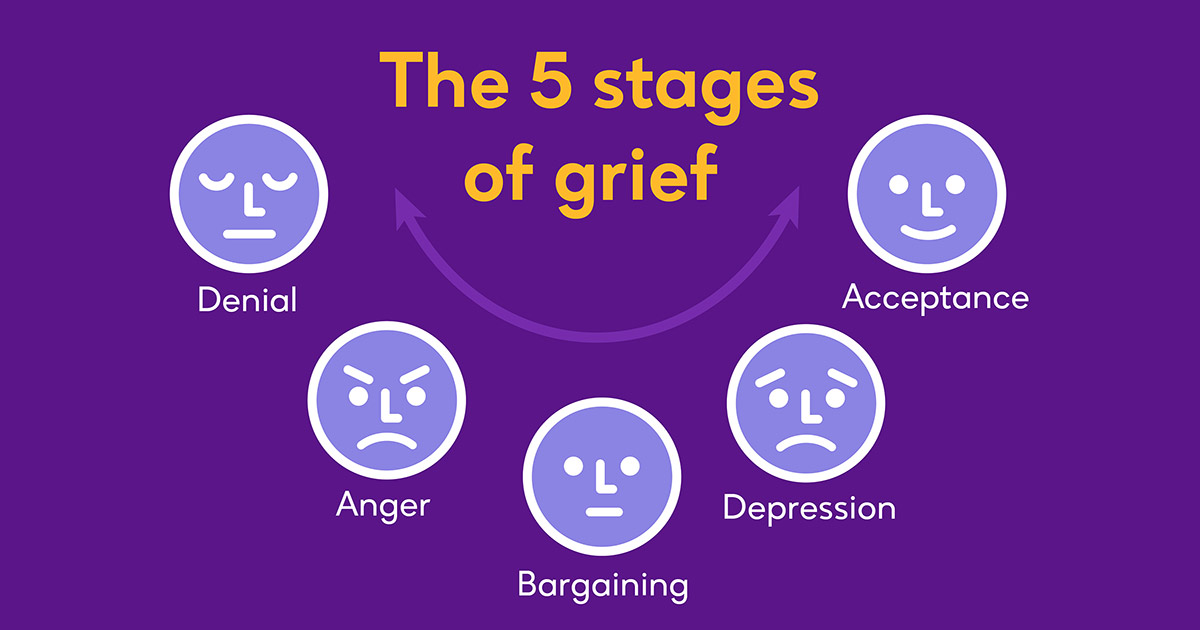
These sensations can be very intense and unpleasant, and they may come and go over lots of months or years. Most individuals find that painful sensations like this come to be less strong over time. If you do not feel this is the instance for you, after that you must request for aid.
Her design ended up being extensively accepted as a method to understand pain, yet with time, despair counsellors and researchers increased upon it, causing the growth of the. This extensive design incorporates additional psychological responses that individuals might experience: The preliminary reaction to loss frequently brings shock and shock. This stage functions as a safety system, permitting us to absorb the truth of our loss in manageable doses.
Understanding the Role of Ancestral Wounds on Achievement
Sensations of regret or sense of guilt might arisewondering if you can have done something in different ways, or feeling sorrow over points left unsaid. Despair can show up as angertoward on your own, others, or also the person that has passed.

Table of Contents
- – Moving Beyond High-Achievement and Inner Strug...
- – Concrete Tools for Beginning Your Transformati...
- – Understanding the Impact of Family Patterns o...
- – The Managers That Push Success
- – Understanding the Effect of Intergenerationa...
- – Somatic Experiencing for PTSD in High-Achievers
- – Understanding the Role of Ancestral Wounds o...
Latest Posts
Supporting Life Skills in Therapy
Understanding the Brain Science of Trauma
Character Structure and Depth Psychology for Couples therapy
More
Latest Posts
Supporting Life Skills in Therapy
Understanding the Brain Science of Trauma
Character Structure and Depth Psychology for Couples therapy